Best Underwater Cameras for Diving UK (2026)

Diver since fourteen. Learned in open water off the Atlantic coast and the Florida Keys, and have dived everywhere from Sipadan to the cold water of home. Decades of gear choices — good and bad — behind every recommendation.
Just so you know, some links on this page are affiliate links. If you buy something via them, we get a small kickback. You don't pay more, but it helps toward the next dive trip.
Looking for more gear recommendations?
Browse All GuidesMost divers don't need a complex camera setup. A GoPro Hero 13, a wrist mount, and some natural light produces footage that looks excellent and will outlast the dive in your memory. Once you start diving regularly, you'll want to capture what you're seeing, and the difference between a decent underwater camera and a bad one is stark.
This guide covers what actually works in UK conditions: green-tinged water, visibility that swings between 3m and 15m, and temperatures that make you want simple kit that just works.
As an Amazon Associate, we earn from qualifying purchases.
The short answer: the GoPro Hero 13 Black is the best underwater camera for most UK divers — waterproof to 10m with no housing, 5.3K video and a huge accessory ecosystem.
Quick Picks
Not sure which setup is right for you?
Browse All GuidesHow They Compare
| Camera | Type | Native Depth | Video | Best For | Maintenance |
|---|---|---|---|---|---|
| GoPro Hero 13 | Action cam | 10m | 5.3K | General footage, shore dives | Battery swap, O-ring on housing |
| OM System TG-7 | Compact | 15m | 4K | Macro, photography, reef detail | Optional housing O-ring |
| SeaLife Micro 3.0 | Diver-specific | 60m | 4K | Divers who hate O-ring maintenance | None |
| Insta360 X4 | 360° action | 10m | 8K 360° | Creative footage, reframe in post | Lens guards |
What Makes Underwater Photography Different in UK Waters
The challenge for any underwater camera is physics, not resolution. Water absorbs light, particularly red wavelengths, so everything looks blue/green at depth. UK water compounds this: particulate matter in the water column creates backscatter when you use artificial lighting, and visibility at many UK shore sites averages 5-8m.
Get closer. This is the single most important principle. Every metre of water between you and your subject removes detail and colour. A GoPro shot from 2 metres will look worse than the same camera from 0.5 metres. Close the distance first, then think about camera settings.
Use natural light where possible. Shallow, clear water with sunlight overhead produces better footage than adding artificial light badly. At UK shallow reef sites in summer (8-12m, good weather), natural light in the 11am-2pm window is excellent.
Add supplemental lighting carefully. A wide-beam video light held at 45 degrees to the side reduces backscatter compared to pointing it directly at your subject. Straight-on lighting illuminates the water column particles between you and the subject. Angled lighting illuminates the subject itself.
Set a red filter at depth. Many underwater cameras include a red filter mode or allow manual white balance adjustment. At 10m+ in UK waters, this brings back warm tones that the water has absorbed. If you shoot on a GoPro, the GoPro dive accessories guide covers the housing and clip-in filter that make the biggest difference.
GoPro Hero 13 Black: Best Overall
The GoPro Hero 13 is waterproof to 10m without any case or housing. For recreational divers spending most of their time between 5-25m, you'll need the Protective Housing for deeper work. For shallow reef dives, snorkelling, and anything under 10m, just strap it to your wrist and dive.
5.3K60 video is overkill for most use cases, but it means you can crop heavily in post and still have excellent quality. The HyperSmooth stabilisation makes handheld footage usable even in current.
The accessory ecosystem is the strongest argument for GoPro. Every dive shop and online retailer stocks mounts, video trays, lights, and wet lenses. You can start minimal and add components as your photography develops without replacing the camera.
The main downside of the GoPro Hero 13 for serious underwater photography is the fixed wide-angle lens. You cannot zoom. For small subjects such as nudibranchs, blennies, and seahorses common at UK sites, you need a macro wet lens attachment (a modest extra outlay) or a different camera. UK macro subjects specifically reward the TG-7's dedicated macro mode.
Pros: No housing to 10m, 5.3K video, HyperSmooth stabilisation, massive ecosystem, strongest value Cons: Fixed wide lens limits macro work, housing required below 10m, around 90 minutes battery life per charge
OM System Tough TG-7: Best for Macro
The OM System TG-7 is the camera serious UK underwater photographers recommend when someone wants more than a GoPro. Waterproof to 15m natively without any housing. The optional PT-059 housing extends this to 45m for deeper UK wreck dives.
The 44x microscope mode is genuinely transformative for UK reef photography. Nudibranchs, blennies, gobies, and the small crustaceans that hide in kelp are all subjects that a wide-angle action camera cannot capture. The TG-7 turns these micro-subjects into the main event. Dedicated underwater shooting modes adjust colour balance automatically for different depths.
4K video, RAW stills shooting, and optical zoom make it a complete camera that happens to be diver-spec. The optical zoom works in a way no action camera lens can match at close distances.
The main downside is sensor size. The TG-7 uses a smaller sensor than mirrorless cameras. In very low light conditions (dark UK wrecks, night dives), image quality degrades faster than a larger sensor camera would. For daylight and supplemental-lit shooting, the sensor is entirely adequate. For ambitious low-light work, a mirrorless in a housing is the next step.
Pros: 15m native waterproofing, 44x macro mode, dedicated underwater colour modes, RAW shooting, optical zoom Cons: Smaller sensor than mirrorless options, pricier than GoPro for general footage use
SeaLife Micro 3.0: Zero Maintenance
The SeaLife Micro 3.0 is permanently sealed with no O-rings. No pre-dive housing check, no post-dive O-ring service, no anxiety about flooding. Rated to 60m, which exceeds the recreational limit. If the thought of O-ring maintenance puts you off underwater cameras, this camera addresses it entirely.
16MP stills, 4K video, Wi-Fi transfer via the SeaLife app. Designed specifically for divers rather than adapted from a land camera.
The sealed design has a cost. No zoom lens, no RAW shooting, and the internal battery cannot be swapped in the field. You accept those constraints in exchange for complete flooding immunity and zero maintenance overhead. The not ideal for case is divers who want to grow into photography and add lenses and accessories progressively. The sealed system limits that kind of evolution.
Pros: Permanently sealed to 60m, no O-ring maintenance, purpose-built for diving, Wi-Fi transfer via app Cons: No zoom lens, no RAW format, sealed internal battery cannot be field-replaced
Insta360 X4: 360° Footage
The Insta360 X4 shoots 360° video, which means you capture everything and reframe to the best angle in post. No decision-making about where to point the camera during the dive. You simply hold it away from your body and let it record.
Waterproof to 10m natively. 8K 360° resolution means even after reframing to a standard crop, you still have strong footage quality. The AI editing tools in the Insta360 app are capable and fast.
The 360° format is not for everyone. The files are large, the editing workflow is different from standard video, and the aesthetic is distinctive. The main downside is that if you want conventional cinematic footage, a GoPro produces it more directly. If you are choosing between those two, my GoPro HERO13 vs Insta360 X4 for diving guide breaks down the trade-off in detail. If you want to capture yourself and the environment simultaneously without precise aiming, or if you want to go back after the dive and choose the best framing from any angle, the Insta360 X4 is the only camera that does this.
Pros: 8K 360° footage, capture everything without aiming, waterproof to 10m, strong AI editing tools Cons: Large file sizes, different editing workflow, lens protection required, not suited for conventional footage
Underwater Lights: When You Need Them
In shallow, clear water with good sun overhead: probably not needed. Natural light at 5-10m on a clear summer day at Swanage or Torbay produces excellent footage.
For anything deeper than 12m, or in the murky conditions common at many UK shore sites year-round, a video light transforms footage. A light in the 1500-2500 lumen range restores colour and detail that the water column has absorbed.
Mount it at approximately 45 degrees to the side rather than straight ahead. Straight-on lighting illuminates the water particles between you and the subject. Angled lighting puts the illumination on the subject itself. This reduces backscatter significantly and is the most impactful single change you can make to footage quality in UK waters.
Choosing the Right Camera for UK Diving Conditions
Different UK dive sites favour different camera types:
Shallow reef sites (Wembury, Kimmeridge, Swanage): GoPro Hero 13 without housing handles most of these dives easily. The 10m depth rating covers the productive sections of most UK reef dives. Add a macro lens wet attachment for nudibranchs and blennies.
UK wrecks (Scapa Flow, Dorset wrecks, Farnes): The TG-7 with PT-059 housing is the better choice for depths beyond 15m and for capturing the detail on encrusted wreck structures. The GoPro in Protective Housing also works but lacks zoom for distant subject framing.
Low-visibility conditions (winter UK shore diving, northern sites): Any camera benefits from supplemental lighting in poor visibility. The SeaLife Micro 3.0's sealed design is particularly practical when you are dealing with surge, entries that involve full immersion, and conditions where stopping to check O-rings is impractical.
Travel and liveaboards: The GoPro's compact form and wide ecosystem of small accessories make it the most travel-friendly. The TG-7 is similarly compact. Full mirrorless housing rigs are serious travel weight.
What to Avoid
Avoid cheap generic action cameras marketed as "waterproof." Entry-level unbranded cameras rated to 30m frequently flood. The housing seals, O-ring quality, and pressure testing on budget cameras are not comparable to GoPro, Olympus/OM System, or SeaLife. A flooded camera destroys both the camera and any images you had saved. The small upfront saving is not worth the risk.
Avoid buying a housing before testing your O-ring routine. Housings flood when divers rush the pre-dive check, miss debris in the O-ring groove, or do not grease the O-ring properly. If you are not confident doing the O-ring check correctly on every single dive, choose the SeaLife Micro 3.0 sealed design instead. A camera flooding 30m down a wreck is a miserable experience.
Avoid filming everything on every dive for your first few months. Camera operation competes with dive awareness, buoyancy control, and buddy management. New divers who film everything often have worse dives and worse footage. Develop your diving first. Add the camera when you can manage buoyancy, navigation, and depth without thinking about them.
Avoid building a mirrorless rig as your first underwater camera. A premium mirrorless housing setup is not where to start. GoPro first, TG-7 second, full mirrorless rig if photography becomes a serious hobby and you have the budget.
Camera Maintenance After UK Dives
Salt water, sand, and the cold all degrade camera equipment over time. Basic maintenance after every salt water dive extends camera and housing life significantly.
For action cameras (GoPro, Insta360) without housing: Rinse the camera body in fresh water after every dive. Pay particular attention to buttons, ports, and any gaps around the battery door or charging port. Salt crystals form in small gaps and corrode contacts over multiple dives. Store with ports closed.
For cameras in housings (GoPro in Protective Housing, TG-7 in PT-059): Open the housing immediately after the dive before any fresh water rinse. This prevents salt water being trapped inside the housing seal area. Rinse the housing exterior and interior, particularly the O-ring groove. Dry thoroughly before re-sealing. Inspect the O-ring before each dive for sand, hair, or debris that could break the seal.
After every dive trip, not just single dives: Re-grease O-rings using silicone grease (not petroleum jelly, which degrades silicone). Remove O-rings fully, clean the groove, apply a thin film of silicone grease to the O-ring, and reseat it. Check for any cracking or compression set in older O-rings. A damaged O-ring needs replacement before the next dive.
For the SeaLife Micro 3.0: Rinse the sealed exterior in fresh water after every dive. The sealed design removes O-ring concern but the exterior still benefits from a rinse.
Storage: Store cameras away from direct sunlight. UV degrades housing plastics and O-ring material over months. Store in a cool, dry location with moisture-absorbing packets if storing for extended periods.
Camera flooding is almost always preventable. The divers who flood cameras are overwhelmingly those who rush the housing check or skip it entirely. Build the pre-dive housing check into your kit-up routine the same way you check your BCD and regulator.
Frequently Asked Questions
Is a GoPro good enough for UK diving? For most UK recreational divers, yes. The Hero 13 at 10m native waterproofing covers shallow reef dives and snorkelling. The Protective Housing (a small extra outlay) covers UK wreck diving. The footage quality at 5.3K is strong, and the ecosystem of mounts and accessories is the best available for any camera.
Do I need a red filter for underwater photography? In UK waters below 10m, a red filter or manual white balance adjustment restores warm tones that the water column has absorbed. Both the GoPro and TG-7 have built-in underwater colour modes. Using them in UK green-water conditions at depth produces noticeably warmer, more natural-looking footage than shooting without any correction.
What about GoPro versus full mirrorless housing rigs? A full mirrorless rig (camera, housing, dual strobes, arms) sits at the top end of the market and produces professional-quality results. For a recreational UK diver who wants to capture their dives rather than produce commercial work, a GoPro or TG-7 is the appropriate starting point. Mirrorless rigs make sense when you are diving specifically for photography and have the buoyancy and dive management skills to devote real attention to composition and lighting.
How do I reduce backscatter in UK waters? Backscatter is caused by suspended particles in the water reflecting light back towards the camera. The most effective technique is positioning your light source at an angle rather than pointing it straight at the subject. A 45-degree offset eliminates most backscatter. Getting as close to the subject as possible reduces the water column between camera and subject, which also reduces backscatter. UK green water has more suspended particles than tropical water, so angled lighting matters more here than on a Caribbean reef.
What is the best camera mount for UK shore diving? For shore entries, a wrist mount keeps the camera secure without adding bulk you cannot manage during the entry. The GoPro dive accessories guide covers the mounts, trays, and floating grips in more detail. Chest mounts can work on boat dives where you enter feet-first. Tray mounts with handles give more control for video work and allow easy light attachment but are bulkier for kit-up and entry. Most UK shore divers start with a wrist mount and add a tray when they develop their filming technique.
Our Recommendation
For most UK divers, the GoPro Hero 13 Black is the right starting point. No housing required to 10m, excellent footage quality, and the largest ecosystem of accessories if you want to develop further.
For photography-focused UK divers who want macro capability and 15m native depth rating, the OM System TG-7 is the step up that genuinely changes what you can capture.
For US market recommendations, see the best underwater cameras US guide.
For more on the kit you will be diving with while you film, see the best dive mask guide and the dive torch guide for supplemental lighting options.
What You'll Need With It
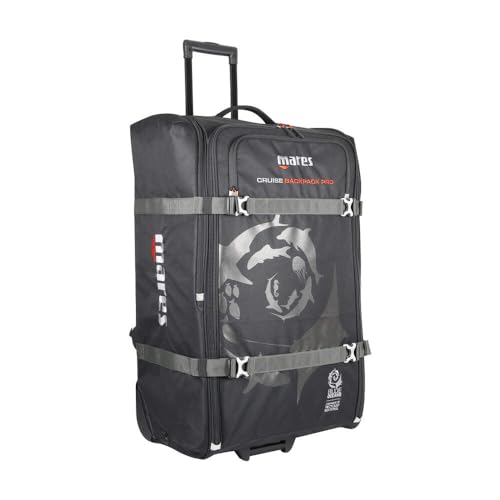
Large mesh backpack-style dive bag with padded shoulder straps. Fits full scuba kit including BCD, regulator, wetsuit, and fins. Ideal for shore diving with a walk to the entry point.

Essential for UK diving. High-visibility orange, reflective strips for British visibility conditions. Oral and dump valve. UK diving standard.
As an Amazon Associate, we earn from qualifying purchases.
Products Mentioned in This Guide
Frequently Asked Questions
Related Guides
Find Your Perfect Gear
Expert guides for masks, fins, BCDs, regulators, and more. Gear up safely for your next dive.
Browse All Guides