Choosing a Dive Computer for UK Waters
British waters demand a dive computer that performs when visibility drops and temperatures plunge. Your choice affects safety, bottom time, and enjoyment on every dive.
Why UK Diving Needs Specific Features
UK conditions present unique challenges. Water temperatures range from 6°C in February to 16°C in August. Visibility averages 3-10 metres, sometimes less. You need a screen you can read in murky water and a battery that won't fail in the cold.
Screen visibility matters more here than anywhere. Bright OLED or colour displays outperform basic LCD screens when ambient light is limited. The Shearwater Peregrine and Suunto D5 excel in low-vis conditions with large, high-contrast displays readable even in silt-outs.
Cold water battery performance is critical. Lithium batteries perform better than alkaline in cold conditions. User-replaceable batteries save money long-term and mean you're never stranded mid-trip waiting for a service centre.
What to Look For
For most UK divers, budget around £300-600 for a computer that handles our conditions properly. The Shearwater Peregrine (around £450) represents the sweet spot: brilliant display, user-replaceable battery, and proven algorithm.
Complete comparison of all models Read Full Dive Computer Guide
Wetsuit Selection for UK Diving
UK waters hover between 6-16°C year-round. A 5mm wetsuit won't cut it beyond summer surface dives. Either commit to a 7mm semi-dry or start saving for a drysuit.
The UK Temperature Reality
Summer (June-September): Surface temperatures reach 14-16°C. Tolerable in 5mm for warm-blooded divers on shorter dives. At depth, expect 10-12°C.
Shoulder seasons (April-May, October-November): Surface drops to 10-14°C. This is where 5mm fails. You'll be cold after 30 minutes, and cold divers make mistakes.
Winter (December-March): 6-10°C surface, colder at depth. 7mm semi-dry minimum. Most experienced UK divers switch to drysuits.
The UK Standard: 7mm Semi-Dry
A 7mm semi-dry suit is the workhorse of British diving. Semi-dry design minimises water circulation with sealed wrists, ankles, and neck. You get warmth approaching a drysuit at half the price and complexity.
Budget around £250-400 for a quality 7mm semi-dry. Brands like Fourth Element, Bare, and Scubapro make suits specifically for UK conditions.
Complete thermal protection comparison Read Full Wetsuit Guide
UK Cold Water Regulators
Your regulator delivers breathing gas in one of the harshest environments on Earth. In UK waters, where temperatures drop to 6°C, the wrong regulator can fail catastrophically. This isn't where you economise.
Why Cold Water Rating Is Non-Negotiable
Unsealed regulators can free-flow in UK temperatures. The mechanism is straightforward: water enters the first stage, contacts cold components, freezes, and jams the valve open. You lose your air supply rapidly.
Sealed (environmentally sealed) regulators prevent water entry. An oil or silicone fluid fills the first stage, transmitting pressure while excluding water. This isn't optional for UK diving.
DIN vs A-Clamp (Yoke)
DIN fittings screw into the cylinder valve, creating a more secure, higher-pressure connection. UK technical diving almost exclusively uses DIN. Most UK diving clubs prefer DIN.
A-clamp (yoke) fittings clamp over the cylinder valve. Simpler, but less secure and limited to lower pressures. Many UK charter boats still use yoke cylinders.
The practical solution: Buy a DIN regulator with a yoke adapter. You get DIN security when available, yoke compatibility when needed.
The Apeks XTX50 (around £550-650) is the UK diving workhorse. Pneumatically balanced for effortless breathing at any depth. Proven in thousands of UK dives.
Complete cold water regulator comparison Read Full Regulator Guide
Choosing a BCD for UK Diving
UK diving demands a BCD that handles cold water, thick exposure suits, and varying conditions from shore to boat. Your choice affects comfort, trim, and how easily you can manage gear during long walk-ins.
Style Matters for UK Conditions
Back-inflate BCDs keep the bladder behind you, improving horizontal trim for swimming against UK currents. They work brilliantly with drysuits because there's no front bladder to interfere with suit inflation. The Apeks Black Ice and Scubapro Hydros Pro are UK favourites.
Jacket BCDs wrap around your body, providing more surface flotation in choppy UK seas. Beginners often find them more intuitive. They're also easier to manage when teaching in pools or sheltered water.
Wing BCDs suit UK technical divers exploring deep wrecks. They work with doubles and stage bottles, providing lift where you need it most.
Lift Capacity for UK Diving
For UK diving with 7mm wetsuit or drysuit, you need 30-40 lbs of lift minimum. Steel cylinders, thick exposure suits, and camera gear add up quickly. Don't undersize your BCD to save weight.
Complete BCD comparison for UK divers Read Full BCD Guide
Getting Started: What to Buy First
The temptation after certification is to buy everything immediately. Resist. Build your kit gradually, starting with personal items and working toward major equipment.
Phase 1: Personal Items (Immediately)
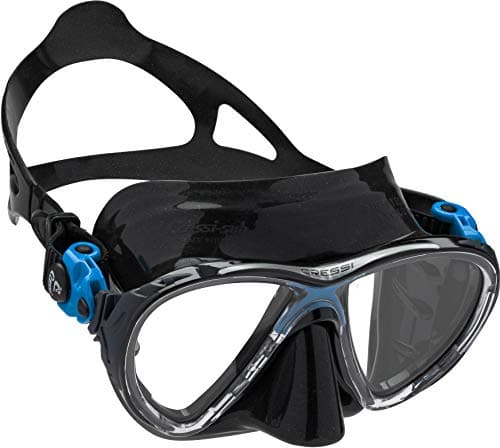
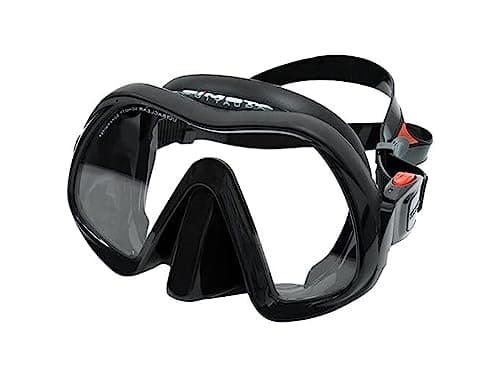
Buy your mask, snorkel, boots, and gloves first. These affect comfort and hygiene, and fit is personal. Budget £100-150 for quality items that will last years.
A well-fitting mask is non-negotiable. Test it with the hood you'll use for UK diving—7mm hoods significantly affect seal. Boots and gloves protect you from UK's rocky entries and cold water.
Phase 2: Computer & Wetsuit (After 10-15 Dives)
Once you're committed to diving, invest in a computer (£250-400) and wetsuit (£250-450 for 7mm). These improve your safety and comfort immediately.
Rent BCD and regulator for now. You'll learn what features matter to you before committing £600-1,000 to major equipment.
Phase 3: BCD & Regulator (After 25-30 Dives)
By now you know whether you prefer back-inflate or jacket BCDs, how much weight you carry, and what features matter. Buy quality items that will last a decade.
Complete guide to building your first kit Read Full Beginner Guide
Wetsuit vs Drysuit for UK Waters
Most UK divers eventually face this choice. A quality 7mm semi-dry wetsuit costs £250-450. A complete drysuit setup runs £1,200-2,400 including undersuit and training.
When Wetsuits Work
A 7mm semi-dry suits UK diving from May to October when surface temperatures hit 12-16°C. You'll be comfortable for 40-60 minute dives in summer. Fourth Element, Bare, and Scubapro make excellent cold water wetsuits.
Wetsuits are simpler: no valves, no undersuit choices, no buoyancy complications. They're also faster to don and doff—useful for multiple dives on UK charter boats.
When Drysuits Win
Below 10°C (November-April), most divers feel cold in wetsuits after 30-40 minutes. Drysuits keep you warm and dry for extended UK winter diving, technical dives, and deep wreck exploration.
The learning curve is real. Expect 2-4 dives to master drysuit buoyancy. But once proficient, you can dive UK waters year-round without watching the calendar.
The UK Reality
Many UK divers own both: wetsuit for summer, drysuit for winter. Others go straight to drysuits and never look back. Your dive frequency and preferred seasons drive the choice.
Complete wetsuit vs drysuit analysis Read Full Comparison